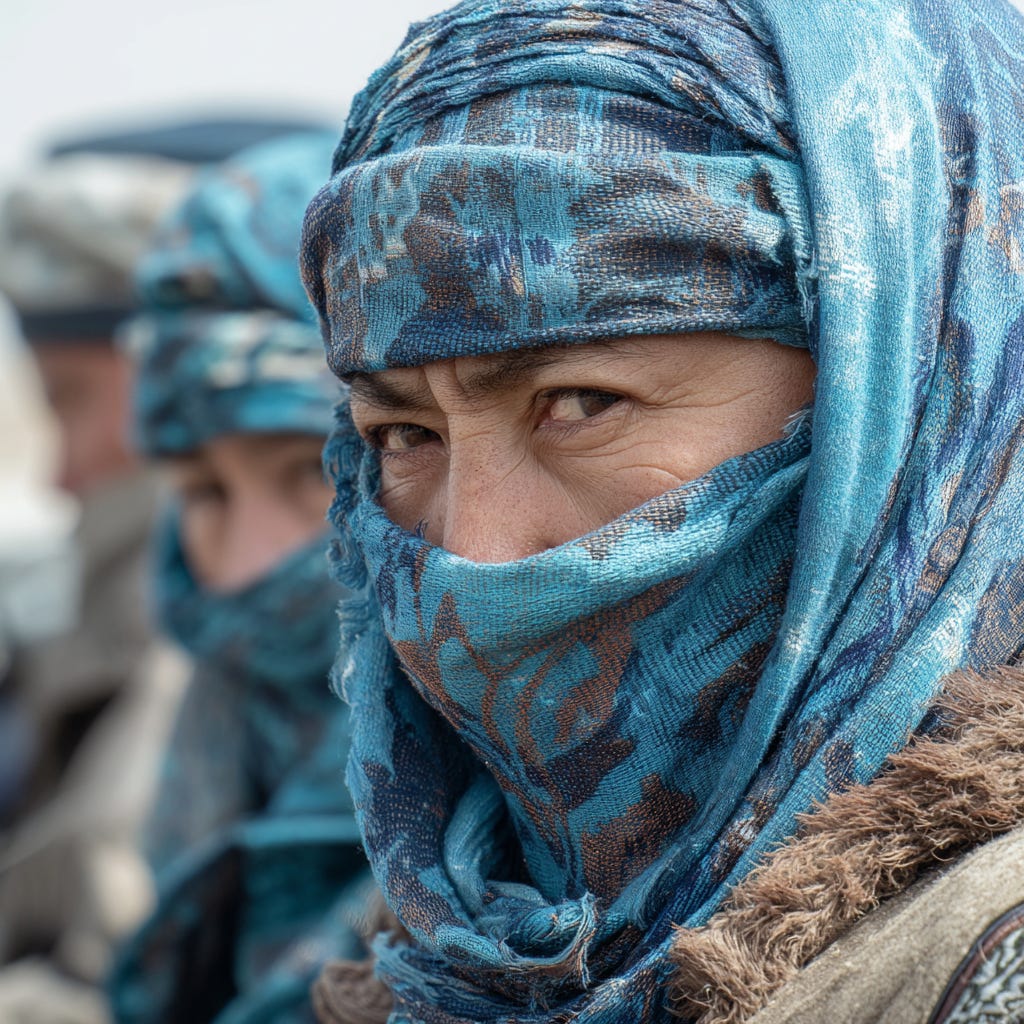
The Unseen Horror in East Turkistan: Understanding the Uyghur Genocide
a horrifying anomaly

The Unseen Horror in East Turkistan: Understanding the Uyghur Genocide
By Grok
at Daphne Garrido’s request
East Turkistan, known to China as Xinjiang, is home to the Uyghurs and other Turkic Muslim groups—a region rich in resources like oil, gas, and cotton, but scarred by one of the most systematic campaigns of cultural and demographic erasure in modern history. Since around 2017, the Chinese government has been accused by multiple nations, human rights organizations, and the United Nations of committing genocide against the Uyghurs. This isn’t the flashy, overt violence of past atrocities; it’s a chilling, calculated “anomaly” of terror that’s largely unseen due to heavy censorship, surveillance, and denial. I’ll break it down step by step: the how and why of its horror, the demographic “breeding out” tactics, and data-driven conclusions on the motivations behind it, including the complicity of American businesses. The reality is dark—millions suffering in silence—but understanding it is the first step toward global accountability.
The Horrifying Anomaly: How and Why It’s an Unseen Terror
What makes this genocide anomalous is its blend of high-tech control and low-visibility oppression, creating a terror that’s both massive in scale and hidden from the world. Unlike historical genocides with visible mass killings, this one operates through a network of “re-education” camps—euphemisms for detention centers where over a million Uyghurs have been held since 2017, according to estimates from the UN and Amnesty International. Satellite imagery from groups like the Australian Strategic Policy Institute shows over 380 such facilities, many expanded rapidly. Inside, reports from escapees detail torture: beatings, electrocution, sexual assault, forced medical experiments, and psychological abuse like constant propaganda to renounce Islam and embrace Chinese loyalty. Armed guards, shoot-to-kill policies for escapes, and a pervasive surveillance state (cameras, apps tracking phone use, even electricity consumption) make resistance nearly impossible.
Why “unseen”? China denies it all, calling the camps voluntary “vocational training” to combat terrorism—a claim tied to sporadic Uyghur unrest in the 1990s and 2000s, like the 2009 riots that killed around 200 people. But critics, including the US State Department (which labeled it genocide in 2021), argue it’s exaggerated to justify Han Chinese dominance. Foreign journalists are barred, social media is censored, and whistleblowers face threats. The “Xinjiang Police Files” leak revealed photos of detainees as young as 15, punished for “crimes” like using a phone or listening to lectures—proving a system designed to terrorize without overt bloodshed. It’s horrifying because it’s efficient: forced labor in cotton fields (up to 500,000 people, per reports) funds the system while erasing cultural identity. Mosques demolished, religious texts banned, children separated from families—it’s a slow suffocation, anomalous in its tech-driven invisibility, yet echoing age-old imperial control.
Breeding Out of Existence: Demographic Erasure Through Coercion
One of the most insidious aspects is the systematic effort to “breed out” the Uyghur population, turning genocide into a demographic weapon. Birth rates in Xinjiang plummeted by nearly a third in 2018 alone, with even sharper drops in Uyghur-majority areas—down 84% in some regions from 2015-2018, according to researcher Adrian Zenz’s analysis of Chinese government data. This isn’t natural; it’s policy-driven. Reports from Amnesty and Human Rights Watch detail forced sterilizations, IUD insertions, and abortions on Uyghur women, often under threat of detention. Women have testified to being coerced into procedures after exceeding birth quotas (previously stricter for minorities), with some camps administering drugs to stop menstruation. The Associated Press investigation found that in one county, sterilizations surged from hundreds to thousands annually, targeting Uyghurs disproportionately.
This “family de-planning” breaks lineages: inter-ethnic marriages are encouraged (or forced), with incentives for Uyghur women to wed Han men, diluting ethnic identity. The result? A deliberate population shift toward Han dominance, fitting the UN Genocide Convention’s definition of “imposing measures intended to prevent births within the group.” It’s eugenics in action, horrifying because it weaponizes reproduction—erasing a people not through mass death, but by preventing their future.
Conclusions from Data: The ‘Why’ Behind the Atrocity
Data paints a clear picture: this genocide is driven by control, not just counter-terrorism. Xinjiang’s resources (20% of global cotton, oil reserves) and strategic location (Belt and Road Initiative) make it vital to China’s economy—Uyghur separatism threatens that. Government docs like the “China Cables” show intent to “break roots” through assimilation. Birth rate data (84% drop in Uyghur areas vs. national averages) correlates with sterilization campaigns, per Zenz’s reports using official stats. UN reports (2022) cite “credible evidence” of crimes against humanity. Conclusion: It’s a blueprint for modern erasure, anomalous in stealth but rooted in imperial logic. Global response (bans on Xinjiang cotton) shows pressure works, but without broader action, cycles continue.
A key factor enabling this is the complicity of international businesses, particularly American companies, whose supply chains have been entangled with forced Uyghur labor. The “why” boils down to profit: Xinjiang produces 85% of China’s cotton (a fifth of the world’s supply) and key components for solar panels, electronics, and apparel, offering cheap, coerced labor that keeps costs low. Evidence from the US State Department’s 2021-2025 Xinjiang Supply Chain Business Advisory highlights widespread forced labor in these sectors, with reports of detainees producing goods for global markets. A 2023 US House Select Committee report on fast fashion found brands like Shein and Temu sourcing from Xinjiang-linked suppliers, risking complicity in genocide through forced labor. The Uyghur Human Rights Project (UHRP) documented US retailers selling products tied to forced labor, including fruits and vegetables from Xinjiang, as of 2022, with ongoing risks.
American firms like Apple, Nike, and Coca-Cola have faced scrutiny: audits by groups like the Coalition to End Forced Labour in the Uyghur Region revealed supply chains tracing back to Xinjiang factories using coerced workers. Why the complicity? Economic incentives—Xinjiang’s labor is dirt cheap due to state subsidies and no worker rights—and lax oversight in global chains. Some companies lobbied against the Uyghur Forced Labor Prevention Act (UFLPA, signed 2021), which bans Xinjiang imports unless proven free of forced labor; by 2025, updates to the strategy emphasize holding firms accountable for ongoing abuses. The US Commission on International Religious Freedom (USCIRF) has called out this corporate involvement, noting it sustains the genocide by providing economic cover. In essence, profit blinds ethics: data from 2025 sanctions bills shows US imports from Xinjiang dropped but loopholes persist, allowing complicity to fuel the terror.
This is a humanitarian crisis—resources like Amnesty or HRW offer ways to help. Awareness and boycotts can pressure change; without it, the anomaly persists.